Overview
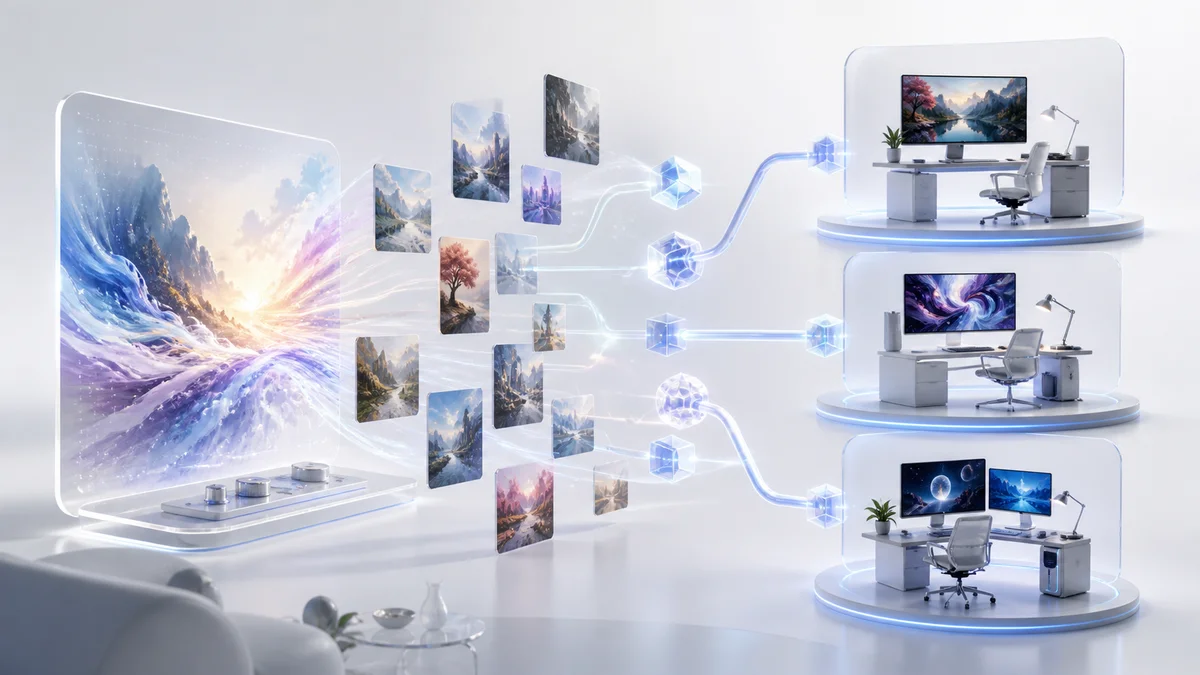
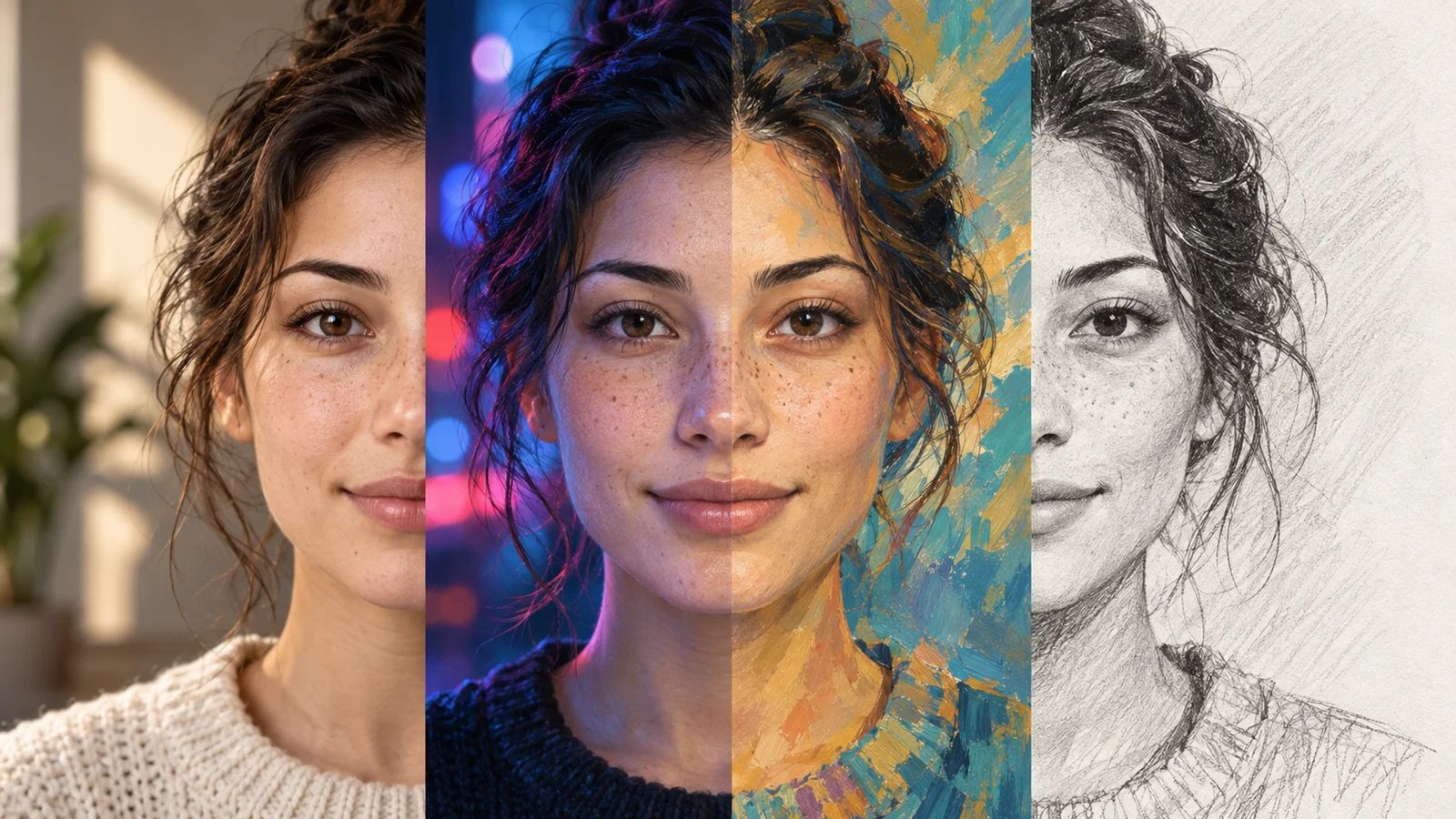
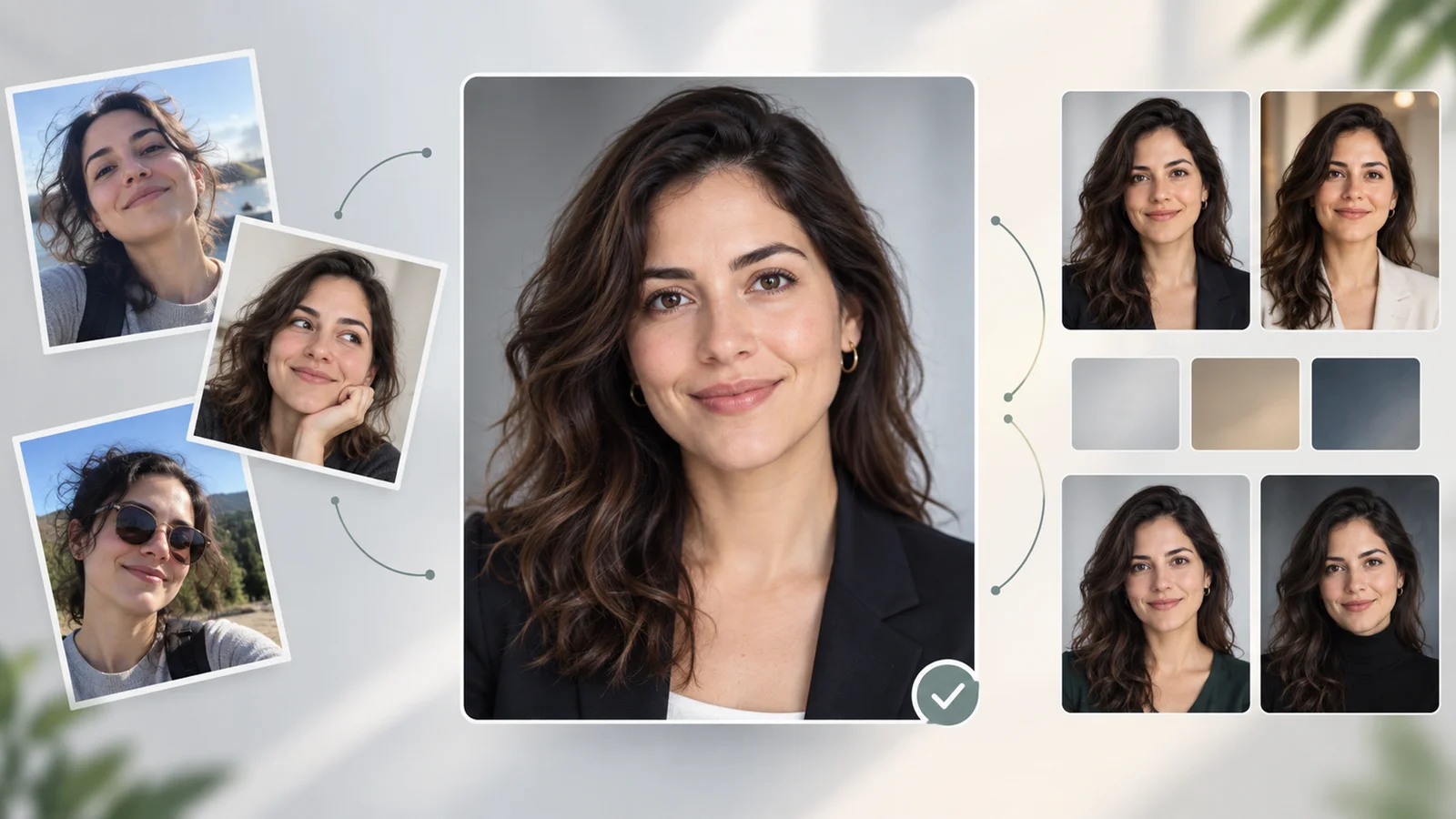
ChatGPT Images 2.0 is OpenAI's April 21, 2026 image-generation upgrade, succeeding the GPT Image 1.5 release from December 2025. The new model reframes image generation as a reasoning task: images with thinking lets it plan and refine multi-panel compositions before returning a result, with official examples also showing search-backed outputs. Resolution reaches up to 4K, with a wide range of supported aspect ratios and dedicated improvements for dense, multilingual typography.
Access rolls out the same day to all ChatGPT and Codex users, with paid tiers (Plus, Pro, Business, Enterprise) unlocking the deeper Thinking mode for magazine-grade work. API users get the new gpt-image-2 endpoint, while prior GPT Image models remain available in OpenAI's model catalog for teams that need to pin to older behavior.
What's New
gpt-image-2: A Reasoning-Native Image Model
ChatGPT Images 2.0 introduces gpt-image-2 for the API and succeeds the earlier ChatGPT image model inside ChatGPT, while prior GPT Image models remain accessible in OpenAI's model catalog. Beyond quality gains, the model is structurally different: it can pause to plan and refine multi-panel compositions before returning a result, with official materials also highlighting search-backed examples for prompts that involve real facts, brand logos, dated information, or complex spatial layouts—cases where prior models silently fabricated details.
Instant and Thinking Modes
Two execution modes now exist side by side:
- Instant mode — Fast, direct generation (typical behavior from prior versions). Best for single-image iteration, mood boards, and creative exploration.
- Thinking mode — The model reasons before drawing: searches the web for fresh references, plans multi-panel compositions, and double-checks its outputs for factual accuracy. Ideal for maps with current data, slides that cite real numbers, infographics, and multi-image consistency.
Thinking mode is the headline capability and is emphasized as "thinking before it draws" in OpenAI's positioning. On accuracy-critical assets it's worth the extra latency; on creative drafts, Instant remains the faster default.
Multilingual Text at Production Quality
Text rendering—historically the weakest point of image models—is the single biggest jump in 2.0. Official launch examples highlight legible Japanese, Korean, Chinese, and Bengali glyphs at display sizes, along with dense small text, interface elements, and icon labels. In practice this makes full magazine spreads, multilingual marketing materials, and manga-style pages viable without redoing typography in Figma or Photoshop.
High-Resolution Output and Flexible Aspect Ratios
OpenAI's current ChatGPT Images product page describes support for high-resolution outputs up to 4K, with a wide range of aspect ratios and formats. Banners, vertical phone wallpapers, panoramic landscapes, and long-form infographics no longer require external upscaling or manual composition—all common use cases that had to be stitched together from multiple outputs in 1.5.
Batch Generation via the API
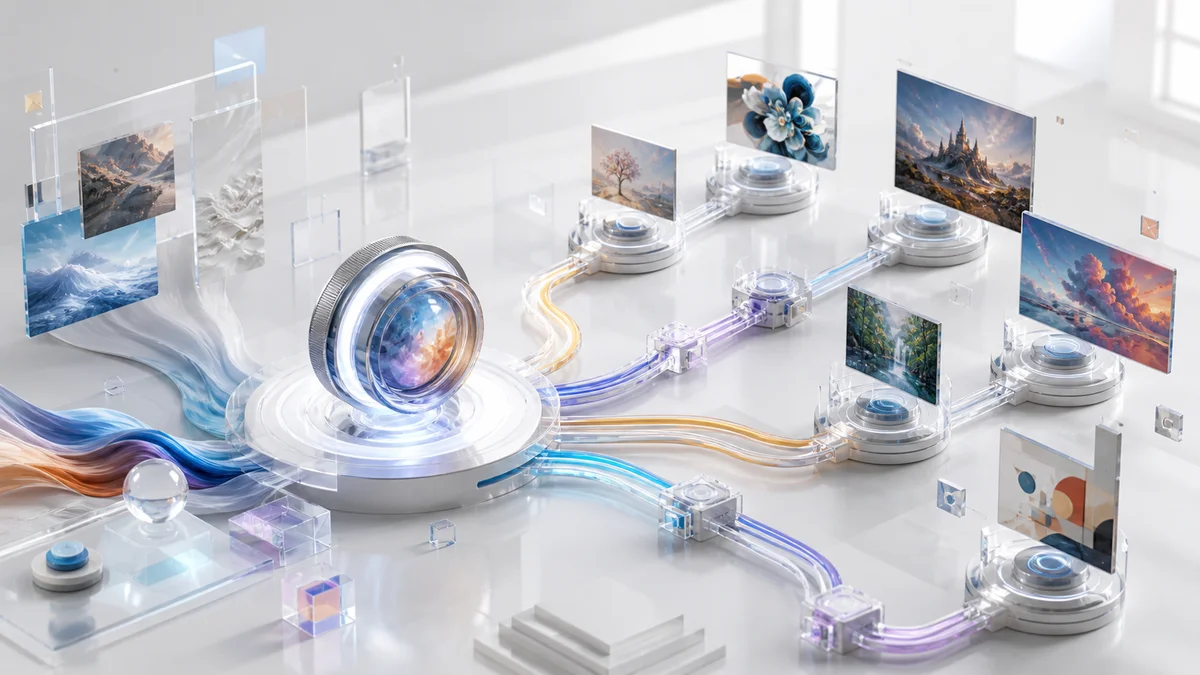
The gpt-image-2 API supports generating 1–10 images per request, up from the tighter batch limits typical on prior models. Consistency across a batch still depends on prompt quality, but the headroom alone makes storyboards, product-shot variations, and branded campaign assets more practical without chained follow-up prompts.
Updated Knowledge and Availability in Codex
Access also expands to Codex, alongside the announcement of Codex Labs developer training—relevant if you plan to generate images from inside a coding workflow rather than the ChatGPT web UI. OpenAI has not published a specific knowledge-cutoff date in 2.0's launch materials; for time-sensitive references, images with thinking's search-backed examples are the primary workaround.
Performance Benchmarks
OpenAI anchors the 2.0 launch on three quantitative claims, drawn from official release materials and third-party leaderboards:
- Image Arena Text-to-Image —
gpt-image-2took the #1 spot shortly after launch with a +242-point lead over the next-ranked model, an unusually wide margin for the category. - Maximum resolution — OpenAI's current ChatGPT Images product page advertises high-resolution outputs up to 4K.
- Aspect-ratio flexibility — OpenAI describes support as a wide range of aspect ratios and formats.
- Batch size — The API supports generating 1–10 images in a single request.
- Multilingual coverage — Strong rendering of non-Latin scripts (Japanese, Korean, Chinese, and Bengali shown in official launch examples); prior models were practically limited to Latin typography at production quality.
Speed is not the headline this time—1.5's "4× faster" claim already applied—so 2.0 reprioritizes quality and reasoning over raw throughput. OpenAI has not published latency numbers for this release.
Availability & Access
ChatGPT Images 2.0 is available across all ChatGPT plans at launch:
- Day-one access — All ChatGPT Free and Codex users, across web and mobile. Instant mode works for everyone; Thinking mode is tied to paid plans that already include reasoning models.
- Paid-plan access — Business and Enterprise workspaces receive access at launch alongside Plus and Pro. Images with thinking is available on all paid ChatGPT plans (Plus, Pro, Business, Enterprise).
- API —
gpt-image-2is available the same day via the OpenAI API and inside Codex workflows. Prior GPT Image models remain callable in OpenAI's model catalog for teams that need to pin to older behavior during migration.
Pricing & Plans
ChatGPT Images 2.0 is included in OpenAI's existing subscription tiers at the same prices as 1.5 was; the model upgrade does not introduce a new SKU for end users.
- Free Plan — $0. Limited image generation access. Thinking mode is not available on the Free tier.
- Plus Plan — $20 per month. Expanded generation limits plus access to images with thinking. Suitable for regular creators who need reasoning-grade outputs a few times per day.
- Pro Plans — OpenAI currently offers two Pro tiers ($100 and $200 per month). Highest-priority access to both modes and the largest generation limits, tuned for professionals producing image assets daily or in bulk.
- Business Plan — For most countries, $20 per user / month billed annually or $25 per user / month billed monthly. Team workspace with admin controls and analytics. ChatGPT Images 2.0 is available at launch.
- Enterprise Plan — Custom pricing. Adds SSO, security controls, and dedicated support. ChatGPT Images 2.0 is available on Enterprise plans.
- API (
gpt-image-2) — Image tokens: $8.00 per 1M input, $2.00 per 1M cached input, $30.00 per 1M output. Text tokens (for prompts and responses): $5.00 per 1M input, $1.25 per 1M cached input. Billed separately from ChatGPT subscriptions and metered per request, not per image.
For comparisons against other image generators, note that gpt-image-2 pricing is quoted in tokens rather than per-image—total cost scales with resolution and prompt complexity.
Best For
- Marketing and design teams producing multilingual campaign assets (JA/KO/ZH/HI/BN) that previously required native typesetting.
- Data storytellers and analysts generating slides, infographics, and maps where factual accuracy—not just visual polish—is load-bearing.
- Content creators using the API to request 1–10 image variants per prompt for thumbnails, product shots, and storyboards without chained follow-up requests.
- Magazine, editorial, and publication designers iterating on full-spread layouts with dense body copy and headline typography in a single render.
- Developers integrating
gpt-image-2via the OpenAI API for end-user image-generation features, particularly when image editing workflows depend on accurate text and layout. - Educators and course creators building instructional visuals, diagrams, and multilingual teaching materials inside ChatGPT without leaving the chat surface.
FAQ
What's the difference between ChatGPT Images 2.0 and ChatGPT Images 1.5?
The headline upgrade is reasoning and fidelity, not raw speed. 2.0 adds images with thinking on paid plans for planning and refining complex layouts, raises output resolution (up to 4K per OpenAI's product page), broadens supported aspect ratios, exposes 1–10 images per API request, and improves multilingual text rendering (Japanese, Korean, Chinese, and Bengali shown in official launch examples). API access uses the new gpt-image-2 endpoint, while prior GPT Image models remain available in OpenAI's model catalog.
Is ChatGPT Images 2.0 available on the free plan?
Yes, but with caveats. Free users get limited image generation. Images with thinking—the main differentiator of 2.0—is available on Plus ($20/month) and above. For casual creative use the Free tier is sufficient; for accuracy-critical work (maps, slides, infographics with real data) you'll want Plus at minimum.
Is ChatGPT Images 2.0 available on Business and Enterprise plans?
Yes. ChatGPT Images 2.0 is available on all ChatGPT plans at launch, including Business and Enterprise, and images with thinking is available on all paid tiers. No staggered rollout is required.
What's the pricing for the gpt-image-2 API?
API billing is token-based and modality-aware. Image tokens: $8 per 1M input, $2 per 1M cached input, and $30 per 1M output. Text tokens (for prompts and responses): $5 per 1M input and $1.25 per 1M cached input. Total per-request cost depends on resolution, aspect ratio, and prompt complexity—it's metered per request rather than per image. Prior GPT Image models remain available in OpenAI's model catalog for teams that need to pin to older behavior during migration.
How does ChatGPT Images 2.0 handle multilingual text better than before?
Prior models treated non-Latin scripts as decorative shapes and often produced broken glyphs at any meaningful size. Official launch examples for 2.0 show legible typography in Japanese, Korean, Chinese, and Bengali at display resolutions, including dense body copy and small interface text. This is the quality bar that makes magazine spreads, localized marketing, and manga-style content viable without an external typography pass. Among AI image generators, this is currently one of the strongest multilingual text performances on a general-purpose model.