Overview
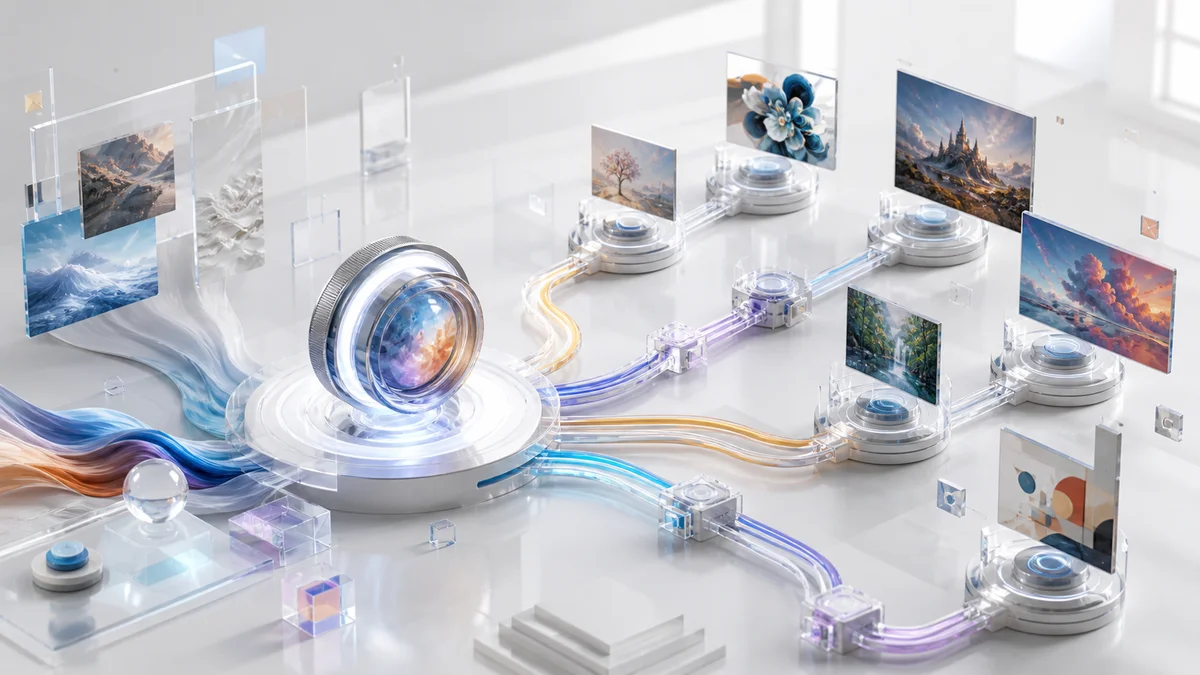
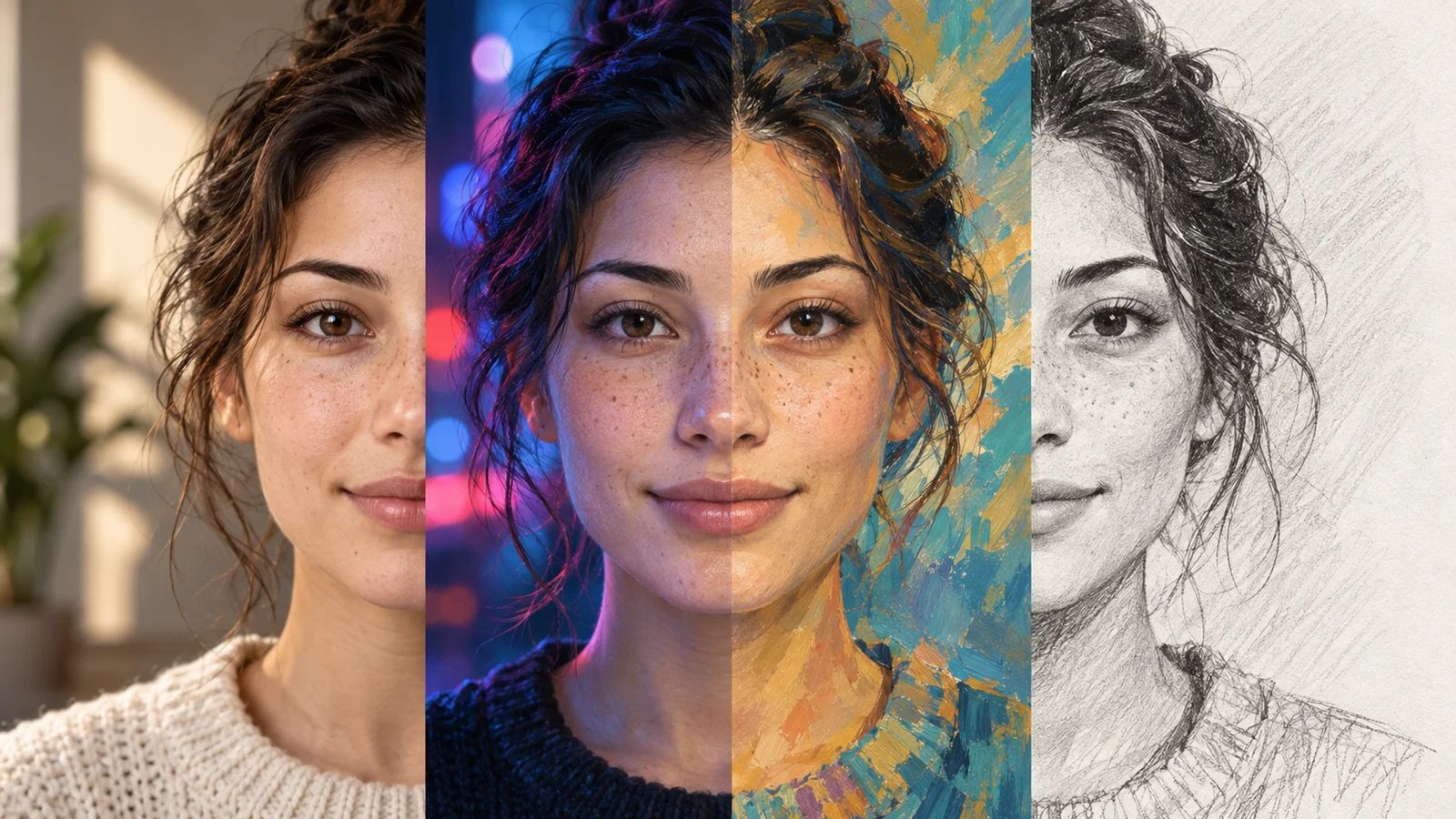
Qwen-Image Layered is a specialized decomposition model from Alibaba's Tongyi Qianwen team that separates existing images into multiple RGBA layers for enhanced editing flexibility. Unlike traditional image generation models, Layered focuses specifically on breaking down images into semantically meaningful layers — allowing users to manipulate individual elements like foreground objects, backgrounds, or text overlays independently without affecting other components.
Released under Apache 2.0 with open weights, the model integrates with Diffusers and can be used alongside editing tools like Qwen-Image-Edit for complete layer-wise workflows. For background on the underlying architecture and generation capabilities, see the related Qwen-Image base model.
What's New
Layered Image Decomposition
Layered is primarily a layer decomposition model that takes an input image and outputs multiple RGBA layers. Edits can then be applied to individual target layers, often using companion tools like Qwen-Image-Edit in the official workflow.
- Semantic Layer Separation — The end-to-end diffusion model automatically decomposes single RGB images into multiple RGBA layers, each representing distinct semantic elements like foreground objects, backgrounds, or text regions.
- Independent Layer Editing — Once decomposed, manipulate individual layers (resize, reposition, recolor) without affecting other image components, preserving overall composition consistency.
- Variable-Length Architecture — VLD-MMDiT architecture supports variable numbers of layers through unified RGBA-VAE latent representations, adapting to image complexity without manual layer count configuration.
Text as an Editable Layer
- Text Isolation — Text regions within images are automatically identified and separated as independent RGBA layers during the decomposition process.
- Layer-Level Text Editing — Official examples demonstrate editing text layers using Qwen-Image-Edit, enabling modifications to text content, styling, or positioning without regenerating the entire image.
- Workflow Integration — The decomposed text layers can be exported to formats like PowerPoint (via Gradio Web UI), where text elements remain editable through standard office tools.
Practical Deployment Workflow
- Diffusers Integration — Accessible through
QwenImageLayeredPipelinein the Diffusers library with straightforward Python API for decomposition tasks. - Web UI Export — Gradio-based interface enables direct export of decomposed layers to PowerPoint format, where each layer becomes an editable object in presentation software.
- Editing Toolchain — Compatible with Qwen-Image-Edit for layer-specific modifications; official repository provides scripts for RGBA layer manipulation and composition.
Availability & Access
Qwen-Image Layered is distributed as an open-source model under the Apache 2.0 license, accessible through the official GitHub repository. Users can download model weights, documentation, and implementation examples for local deployment.
Technical Requirements
- Software Dependencies — Requires
transformers>=4.51.3and the latestdiffuserslibrary; official pipeline examples run on CUDA withtorch.bfloat16precision. - Memory Considerations — Practical memory requirements vary by resolution, layer count, and inference settings. The official README recommends resolution bucket 640 for optimal decomposition quality.
- Platform Compatibility — Designed for PyTorch-based environments with CUDA support; dependency requirements align with standard Diffusers deployment practices.
Pricing & Plans
Qwen-Image Layered is released under the Apache 2.0 open-source license, allowing free use for personal and commercial applications. There are no official subscription fees or API charges from the model publisher. However, running the model locally or in the cloud incurs compute and hosting costs, and third-party hosted demos or inference services may have their own pricing or usage limits.
Best For
Qwen-Image Layered is ideal for:
- Design professionals needing precise control over image composition elements with non-destructive editing capabilities for client presentations and iterative refinement.
- Content creators producing marketing materials where individual elements (logos, text, backgrounds) require frequent adjustment without regenerating entire images.
- AI researchers exploring layer-based image representation, semantic decomposition architectures, or novel editing paradigms in diffusion models.
- Development teams building custom image editing applications that benefit from automatic semantic layer separation as a foundation for user-facing tools.
- Presentation designers seeking automated workflows to convert complex images into editable PowerPoint layers for rapid template creation and modification.
FAQ
What makes Qwen-Image Layered's approach different from standard image editing?
Qwen-Image Layered differs from typical image editing workflows by first decomposing an image into RGBA layers, where each layer represents a semantically meaningful element. Subsequent edits can be applied to a specific layer while keeping other layers unchanged, maintaining visual coherence across the composition. This contrasts with direct pixel manipulation, which can require careful masking and often affects adjacent image regions.
What hardware do I need to run Qwen-Image Layered?
The official pipeline examples require CUDA-capable GPU with support for torch.bfloat16 precision. Practical memory requirements vary depending on input image resolution, target layer count, and inference settings. The official documentation recommends starting with resolution bucket 640 for balanced quality and performance. For specific hardware configurations, refer to the GitHub repository's deployment guidelines.
How does Qwen-Image Layered handle text in images?
Text regions within images are automatically identified and isolated as separate RGBA layers during decomposition. These text layers can then be edited using companion tools like Qwen-Image-Edit, or exported to formats like PowerPoint where they become standard editable objects. This enables text modifications without affecting other image elements or requiring full regeneration.
Is the layered decomposition automatic or manual?
The model automatically decomposes input images into an appropriate number of layers based on semantic content analysis. The Variable-Length Decomposition architecture (VLD-MMDiT) adapts the layer count to image complexity without requiring manual configuration. Users interact with the resulting layers through the provided API or export them for editing in external tools.
Where can I find implementation examples and documentation?
Comprehensive documentation, code examples, and usage guides are available in the GitHub repository. The repository includes Quick Start guides for the Diffusers pipeline, Gradio Web UI deployment instructions, and scripts for layer manipulation. Technical details on architecture and training methodology can be found in the accompanying arXiv paper (arXiv:2512.15603).