

Overview
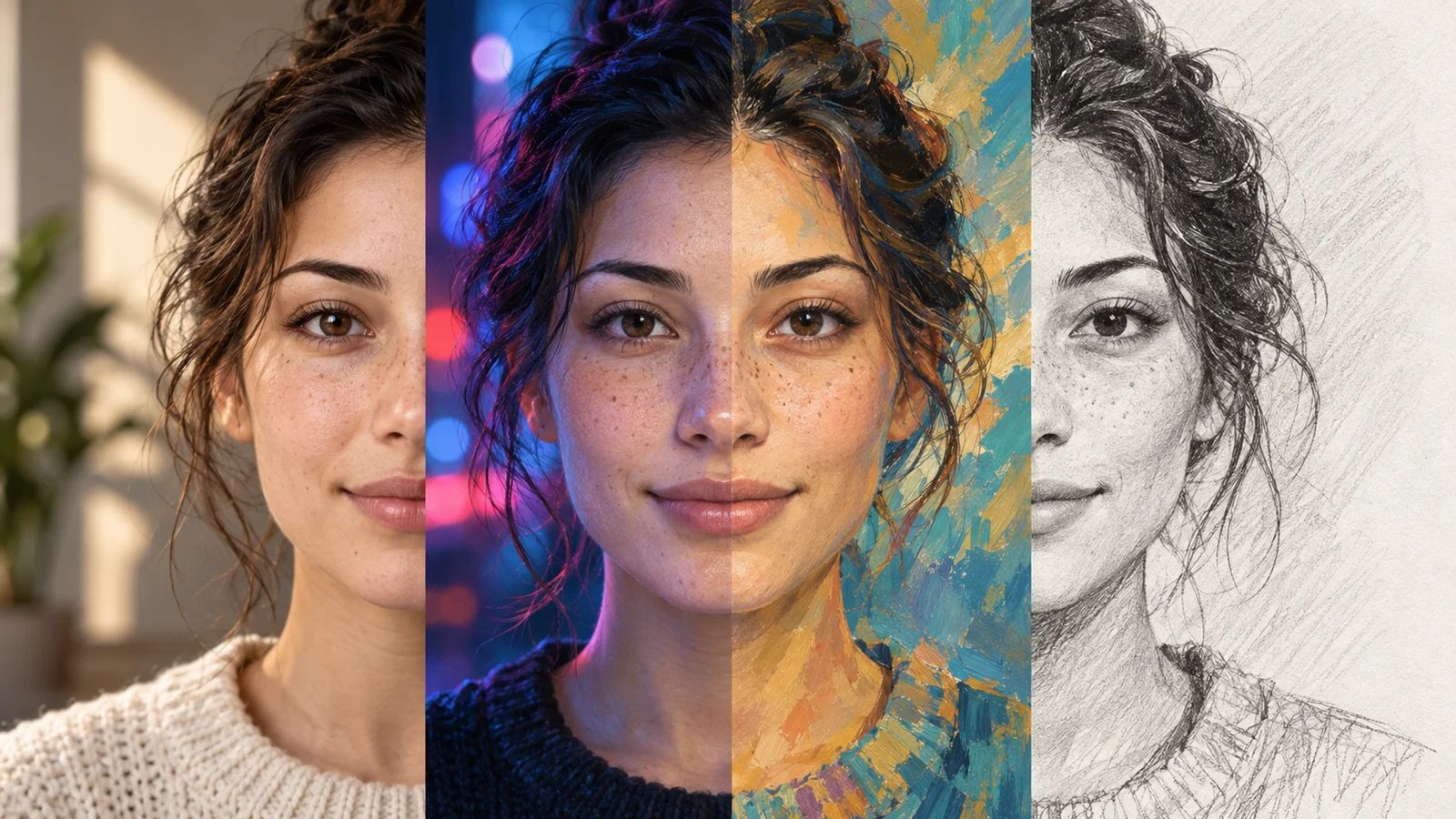
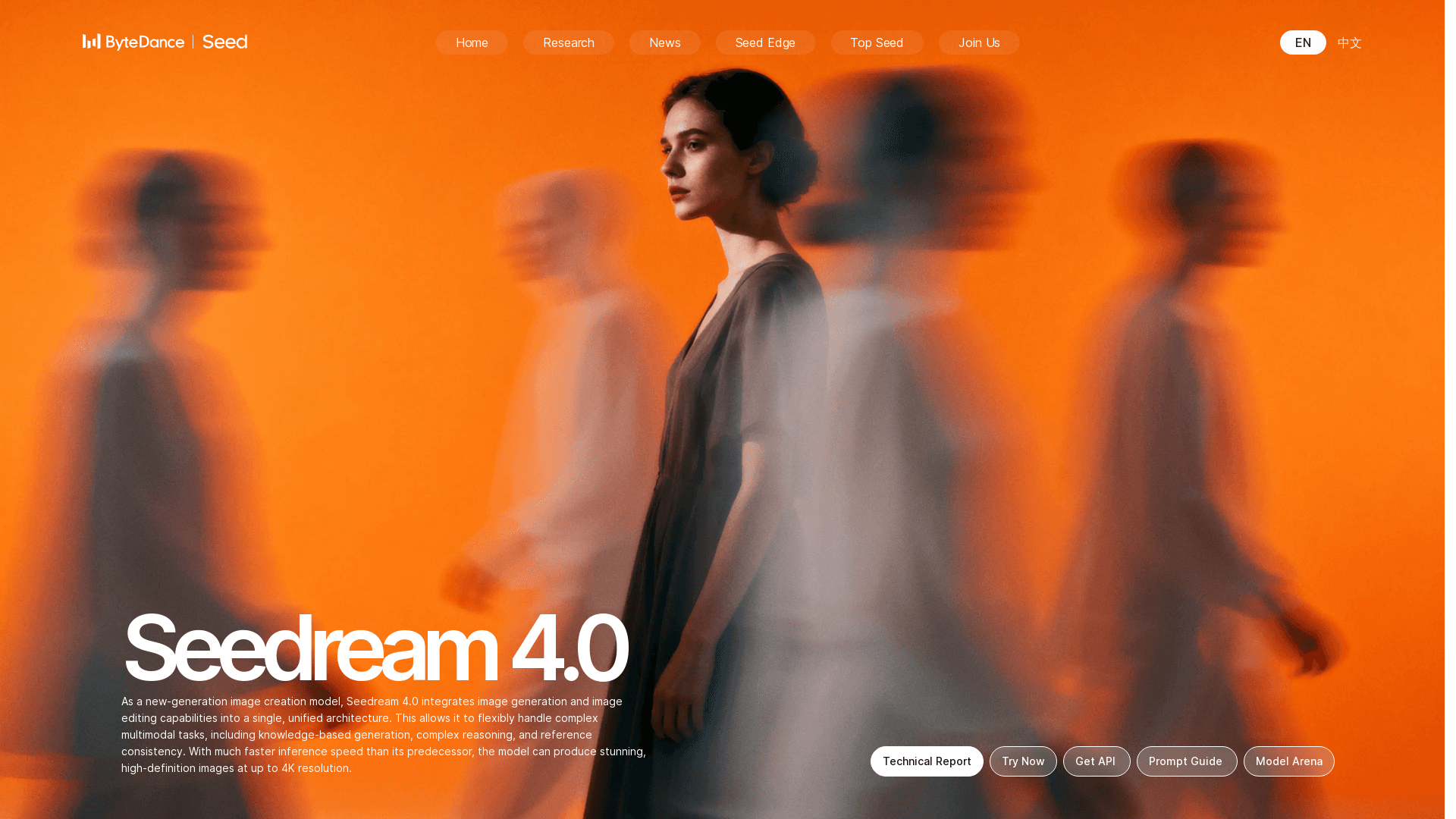
Seedream is ByteDance Seed's image-generation and image-editing model family. In the current verified content set, Seedream has two important 5.0 releases: Seedream 5.0 Pro for professional visual production and Seedream 5.0 Lite for web-aware, lower-cost image generation. Together they position Seedream as more than a prompt-to-picture model: the family is aimed at structured design work, reference-heavy creative tasks, multilingual visual content, and images that need current information.
The current flagship listing is Seedream 5.0 Pro. Pro focuses on high-density infographics, spatially grounded editing, layer separation, photographic realism, and native multilingual generation. Seedream 5.0 Lite remains important because ByteDance publicly described native search, improved world knowledge, complex composition, 14 reference images, native 2K output, and a listed $0.035 per-image price.
For teams choosing an AI image generator, Seedream's main appeal is control. It is strongest when an image brief includes structure, reference assets, local edits, text, diagrams, or production constraints. It is less useful as a one-click replacement for human review because dense images, multilingual copy, and search-derived information still need proofreading and rights checks.
Key Features
Professional visual production - Seedream 5.0 Pro is positioned for dense infographics, education visuals, technical drawings, product hero layouts, character interfaces, and storyboard-style images where the output must organize information rather than just look attractive.
Spatially grounded editing - Pro can respond to spatial annotations, boxes, sketches, and regional instructions. This helps teams change a selected area while preserving the rest of the composition, which is critical for campaign iterations and product-scene edits.
Layer separation and regional semantics - Pro emphasizes layer-aware control, giving designers a better path for targeted changes. It reduces the common failure mode where a small edit causes the model to rewrite unrelated parts of the image.
Web-aware generation in Lite - Seedream 5.0 Lite adds real-time search and stronger world knowledge for visuals tied to current topics, data, or event context. This is useful for news graphics, social posts, explainers, and timely campaign creative.
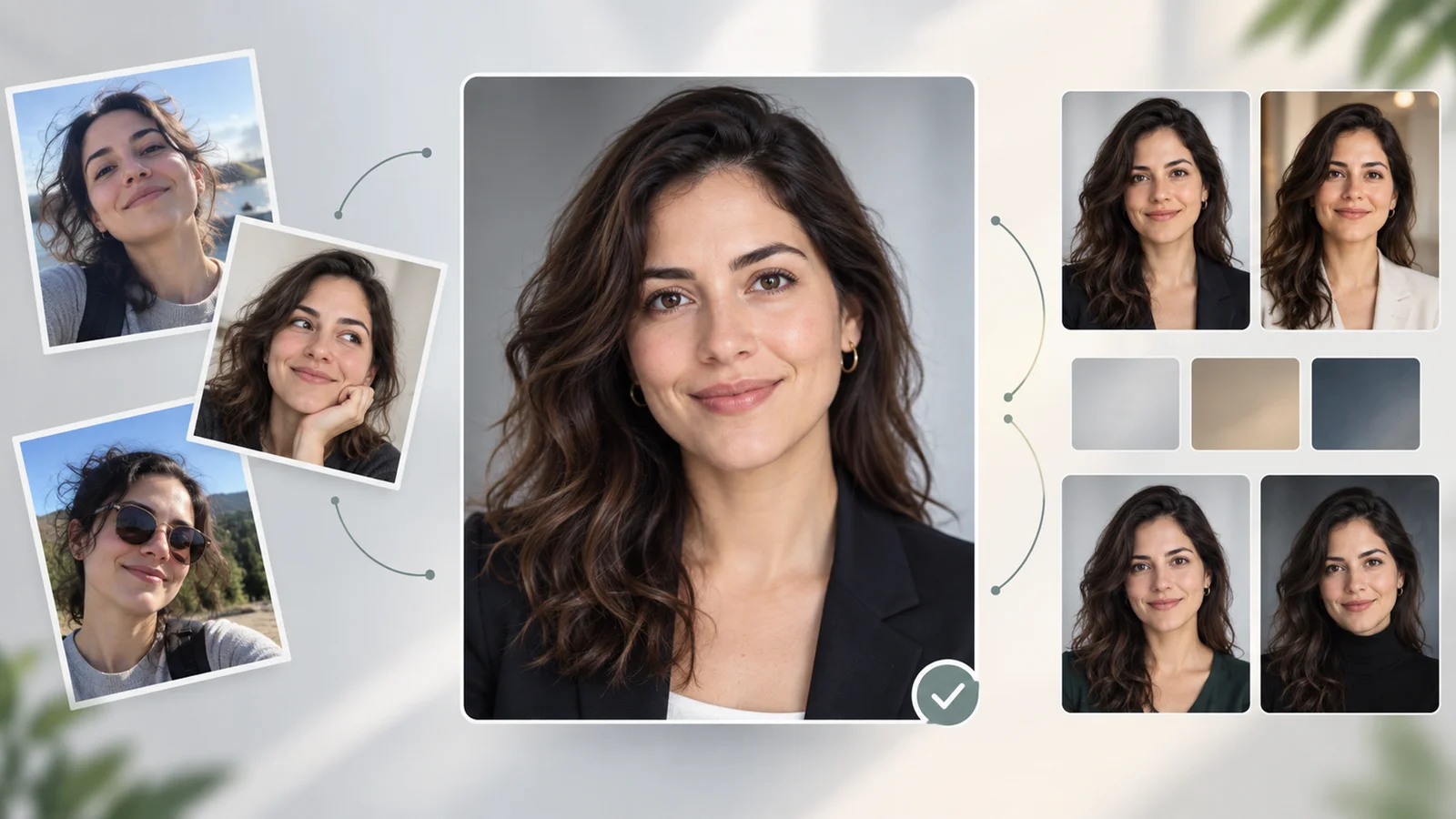
Multi-reference creative workflows - Lite supports up to 14 reference images and native 2K output, making the family useful for brand, e-commerce, and character workflows that need several visual references to stay consistent.
Multilingual visual output - Pro natively supports a dozen widely used languages for prompting and image generation. This matters for localized posters, notices, menus, education materials, and international marketing drafts.
How It Compares
Seedream competes with image models such as Midjourney, Ideogram, GPT image models, Nano Banana, and other professional creative APIs. Its practical differentiator is not only image aesthetics. Seedream's current releases emphasize structured reasoning inside the image: where content should go, which region should change, how multilingual text should fit, and how much information a layout can carry.
That makes Seedream a stronger candidate for workflows that combine design and editing. If a team mostly wants atmospheric concept art, many tools can compete. If the brief asks for a technical infographic, annotated product edit, multilingual poster, or current-event visual, Seedream's 5.0 line is more directly aligned.
Pricing & Plans
Seedream 5.0 Lite has a listed API price of $0.035 per image in ByteDance's release materials. Seedream 5.0 Pro's reviewed public first-party pages did not list a price, so this page does not assume that Pro uses the Lite rate.
Before deploying Seedream at production volume, verify three things directly with ByteDance or the API provider you plan to use: the exact model identifier, the current regional price table, and the commercial terms for generated and edited images. Total cost also depends on rejection rate, number of revisions, reference-image workflow, and the amount of human review required for text-heavy or fact-sensitive outputs.
Best For
- Marketing teams creating campaign visuals, posters, product banners, and social creative.
- Education teams producing visual explainers, worksheets, and structured diagrams.
- E-commerce teams editing product scenes while preserving core assets.
- Localization teams drafting multilingual notices, menus, infographics, and regional materials.
- Designers who need an AI model to follow sketches, boxes, spatial notes, and multiple reference images.
FAQ
What is Seedream?
Seedream is ByteDance Seed's AI image-generation and editing model family. The current verified releases in this listing are Seedream 5.0 Pro and Seedream 5.0 Lite.
What is the difference between Seedream 5.0 Pro and Seedream 5.0 Lite?
Seedream 5.0 Pro focuses on professional production: dense infographics, spatial editing, layer separation, realistic photography, and multilingual output. Seedream 5.0 Lite focuses on web-aware generation, improved world knowledge, complex composition, 2K output, and a known listed per-image price.
Is Seedream good for professional design work?
Seedream is stronger than many generic image generators for structured visual work because Pro is explicitly positioned around information density, annotations, regional edits, and multilingual layouts. It should still be treated as a drafting and editing model, not a replacement for final human review.
How much does Seedream cost?
Seedream 5.0 Lite is listed at $0.035 per image. Seedream 5.0 Pro public pricing was not listed in the reviewed official pages, so teams should confirm the live API price before estimating production cost.
Can Seedream use current web information?
Seedream 5.0 Lite includes native search and improved world knowledge for time-sensitive generation. Outputs based on current information should be fact-checked before publication.
Does Seedream support image editing?
Yes. Seedream 5.0 Pro is especially relevant for editing because it can follow spatial annotations, sketches, and regional instructions while trying to preserve the rest of the image.