Overview
ChatGPT Images 2.5 is OpenAI's September 8, 2026 upgrade to image generation and editing in ChatGPT, ChatGPT Work, Codex, and the OpenAI API. It succeeds ChatGPT Images 2.0 with sharper detail, more natural lighting and textures, stronger reference-subject preservation, and more reliable edits across multiple turns.
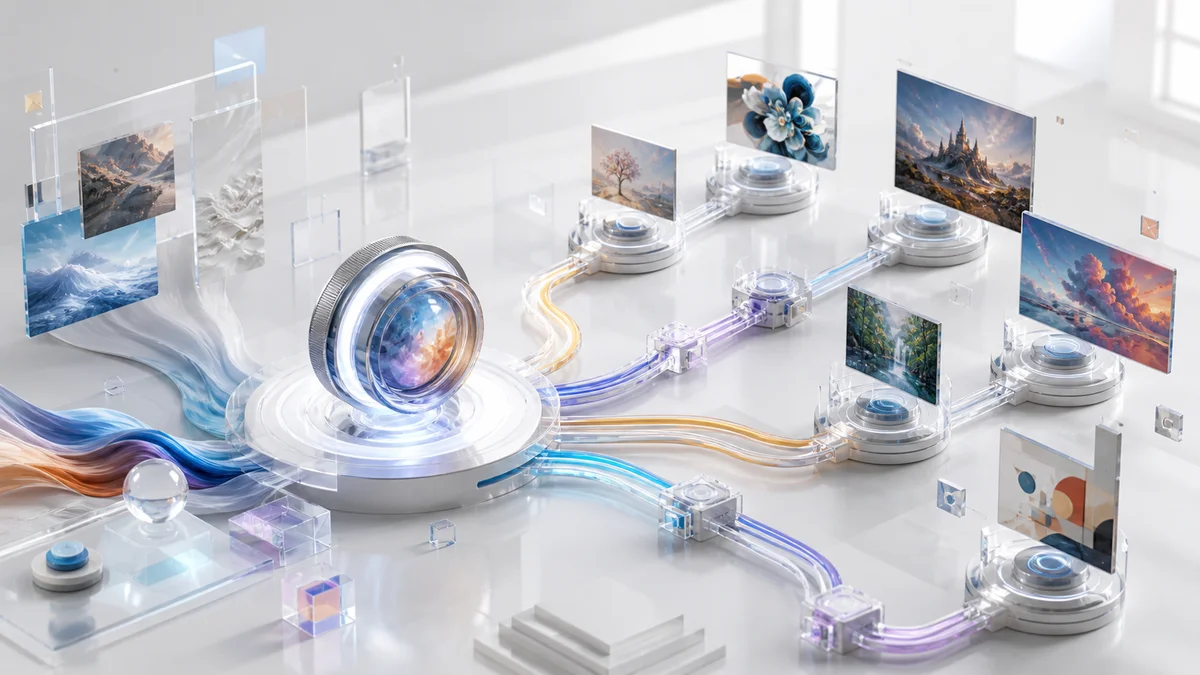
The release also creates a clear API choice. gpt-image-2.5-flare is OpenAI's default recommendation for most applications and prioritizes throughput, while gpt-image-2.5-sunburst targets production-grade creative work that benefits from tighter control and can accept longer generation times. Teams should weigh those quality and latency gains against current 2.5 API token rates, which are twice the live rates listed for gpt-image-2.
What's New
Up to 50% lower generation latency
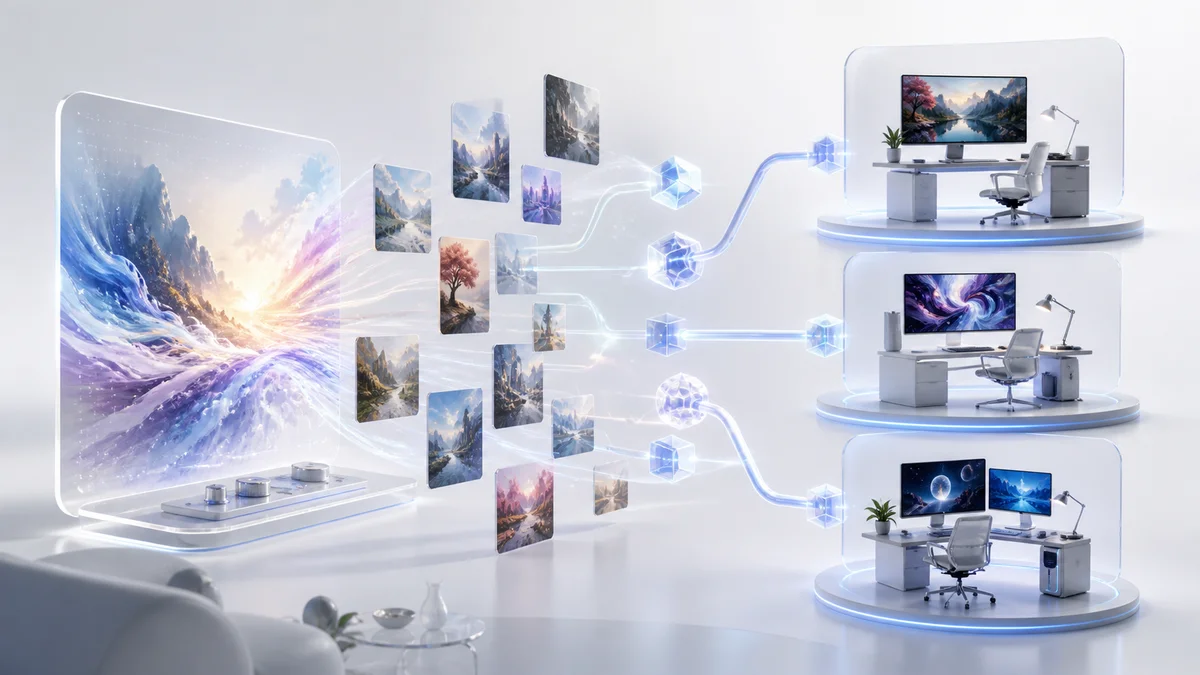
OpenAI says ChatGPT Images 2.5 reduces generation latency by up to 50% compared with Images 2.0. For the API specifically, OpenAI says Flare produces higher-quality images than gpt-image-2 at 50% lower latency, making it the practical default for social content, product experiences, visual search, rapid prototyping, and high-volume generation.
The claim is a vendor comparison rather than a guaranteed request time. OpenAI's developer guide still warns that complex prompts may take up to two minutes, and Sunburst deliberately trades speed for additional precision.
More precise editing and stronger reference fidelity
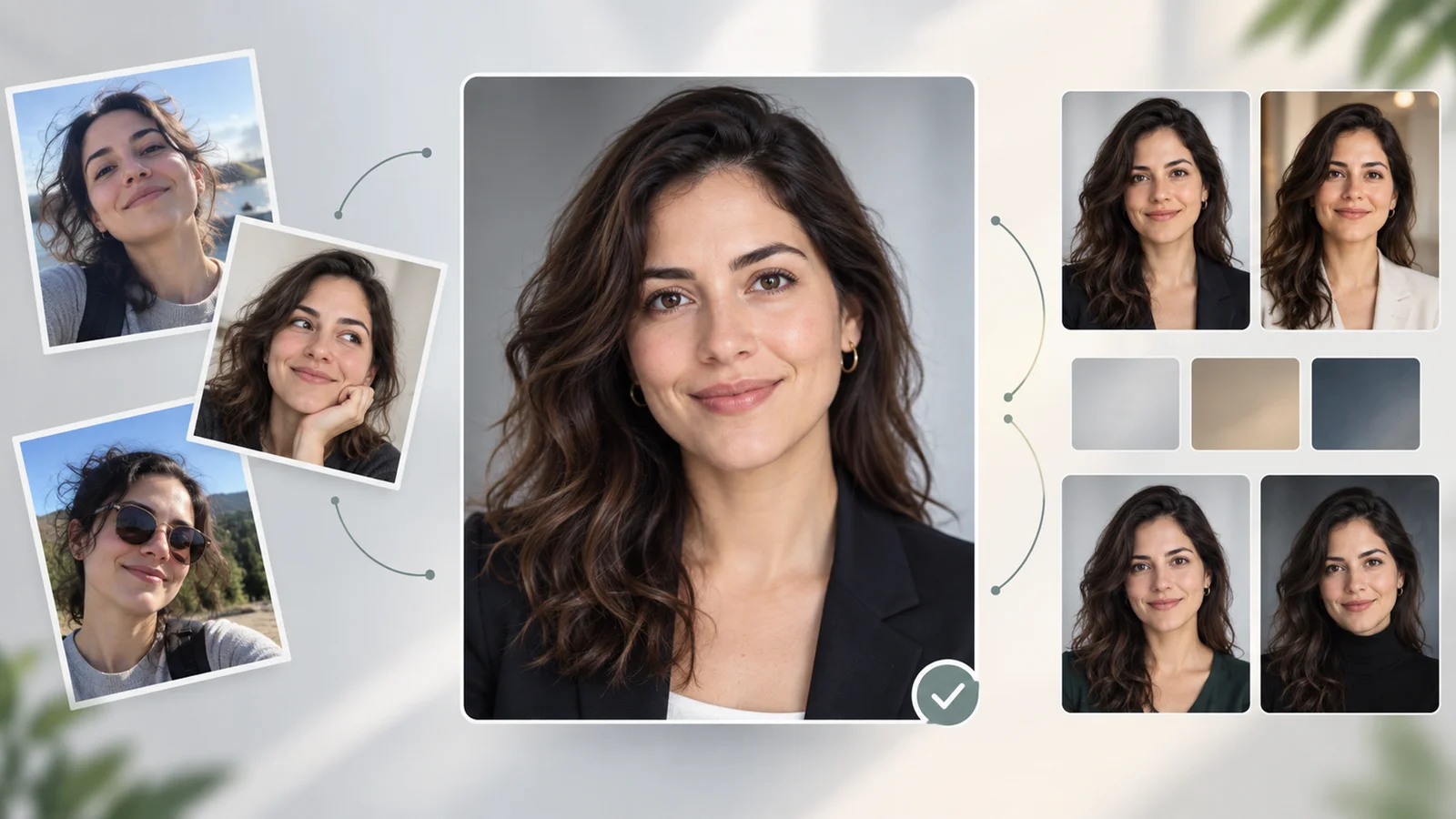
Images 2.5 is better at changing only the requested element while retaining the subject, composition, and surrounding brand treatment. OpenAI also reports stronger recognition of people and objects from reference photos, with more natural lighting, richer textures, and more stable distinctive features.
Across longer edit conversations, earlier changes are more likely to persist without cumulative image degradation. This directly addresses a common Images 2.0 workflow problem: a small later edit could unintentionally alter a face, product, layout, or visual identity that had already been approved.
Better layouts, styles, and real-world content
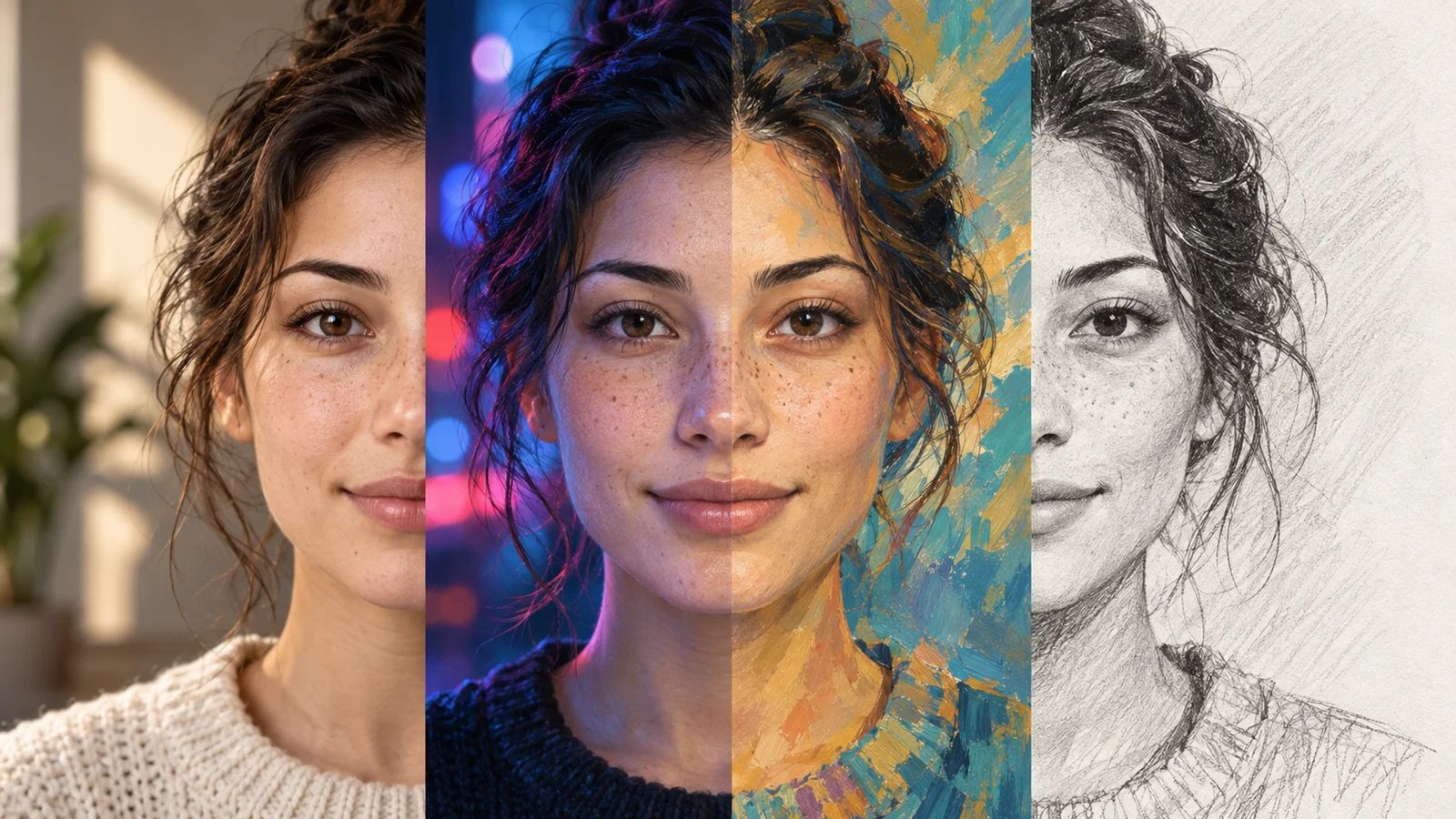
The model follows complex visual instructions more coherently and handles layouts that include transparent backgrounds. OpenAI also says images containing real-world information are more accurate and requested visual styles are followed more closely.
These improvements do not make layouts deterministic. The official developer guide says text placement, recurring-character consistency, and exact placement in structured compositions can still fail, so production assets still need visual review.
New creation controls inside ChatGPT
ChatGPT adds four interface-level workflows around the new model:
- Templates: Start with formats such as posters, merchandise, flyers, and product photos instead of a blank prompt.
- Sketch: On mobile, enter
@Sketch, draw a rough composition, and use it as a visual reference. - Image comments: Place comments on an image to focus an edit on a specific area or requirement.
- Shared prompts: Include the generating prompt when sharing an image so another user can remix the idea with different photos or details.
These are ChatGPT product features, not new Images API request parameters. The September 8 release notes also say Templates are not yet available in Work mode and existing image-generation limits are unchanged.
Higher API quality controls
Both 2.5 API models add xhigh and max quality settings alongside low, medium, high, and auto. They support custom dimensions up to 3840 pixels per edge, subject to a 1:3 to 3:1 aspect ratio and total-pixel constraints; resolutions above 2560x1440 are marked experimental.
Developers can generate or edit through the Images API, or select a 2.5 image model for the image-generation tool in the Responses API. Transparent output requires PNG or WebP, while JPEG can reduce encoding latency when transparency is unnecessary.
Flare vs Sunburst
| Decision area | gpt-image-2.5-flare |
gpt-image-2.5-sunburst |
|---|---|---|
| OpenAI positioning | Default for most applications | Premium visual and editing workflows |
| Main tradeoff | Faster generation and high-volume use | Tighter control with longer generation times |
| Typical fit | Social content, product features, visual search, prototyping | Campaign creative, polished product imagery, precision edits |
| Quality settings | low through max, plus auto |
low through max, plus auto |
| Token rates | Same published rates as Sunburst | Same published rates as Flare |
Start with Flare unless controlled evaluations show that Sunburst's additional precision reduces enough failed generations, manual retouching, or review cycles to offset its longer runtime. Equal token rates do not guarantee equal per-image cost because model choice and quality settings can consume different token counts.
Compared With Previous Version
| Decision area | ChatGPT Images 2.5 | ChatGPT Images 2.0 |
|---|---|---|
| Generation speed | Up to 50% lower latency in OpenAI's comparison | Previous baseline |
| API model choice | Flare for speed; Sunburst for tighter control | Single gpt-image-2 model |
| Editing | Better targeted changes and multi-turn consistency | Strong editing, but less reliable preservation across revisions |
| Reference images | Better subject recognition and detail retention | High-fidelity image input |
| Quality controls | Adds xhigh and max |
Up to high |
| ChatGPT workflow | Adds Templates, Sketch, comments, and prompt sharing | Existing conversational generation and editor |
| Live API token rates | $8 image input / $30 image output per 1M tokens | $4 image input / $15 image output per 1M tokens |
The upgrade is strongest for iterative, reference-led work where unwanted changes create expensive rework. Teams using gpt-image-2 mainly for low-cost drafts should benchmark before migrating because the live pricing table makes both 2.5 models twice as expensive per image token, even though Flare may complete useful work faster or with fewer retries.
Pricing & Access
Images 2.5 is rolling out across all ChatGPT, ChatGPT Work, and Codex tiers on desktop, mobile, and web. It does not introduce a separate ChatGPT subscription, and OpenAI says existing generation limits remain unchanged. Availability of specific interface features differs: Templates are not yet in Work mode, Sketch is documented for mobile, and the separate Images with thinking experience remains subject to its own plan availability.
Current standard API rates for both Flare and Sunburst are:
| Modality | Input | Cached input | Output |
|---|---|---|---|
| Image tokens | $8.00 / 1M | $2.00 / 1M | $30.00 / 1M |
| Text tokens | $5.00 / 1M | $1.25 / 1M | Not listed |
The live pricing table currently lists gpt-image-2 at $4 per 1M image input tokens, $1 cached input, and $15 image output, plus $2.50 per 1M text input tokens and $0.625 cached text input. Responses API calls also incur charges for the mainline model that invokes the image-generation tool. Use returned usage data with fixed size and quality settings to estimate cost per accepted image rather than relying only on token rates.
Compatibility & Migration
API migrations should treat Images 2.5 as a model-routing and evaluation change, not a new integration surface.
- Add
gpt-image-2.5-flareas the first candidate for existing generation and edit requests. - Run representative prompts against
gpt-image-2, Flare, and Sunburst with fixed size and quality settings. - Measure time to first usable asset, total token consumption, edit preservation, rejection rate, and human correction time.
- Add
xhighormaxonly where the accepted-output gain justifies additional latency and token use. - Keep
gpt-image-2available until the new route passes budget, safety, and visual-regression checks.
Custom dimensions must use multiples of 16, neither edge may exceed 3840 pixels, and total pixels must stay between 655,360 and 8,294,400. Masked edits require the source and mask to use the same dimensions and format, remain under 50 MB, and include an alpha channel in the mask.
Known Limitations & Safety
- Complex prompts can still take up to two minutes despite the headline latency improvement.
- Precise text placement, recurring-character consistency, and exact layout positioning can still require retries or manual correction.
- Greater realism raises the risk of more convincing deceptive images. OpenAI applies checks at prompt, input-image, and generated-output stages.
- OpenAI continues to attach C2PA provenance metadata and adds invisible SynthID watermarking across ChatGPT, Codex, and API outputs.
- Provenance signals are useful disclosure layers, not proof that every downstream copy will retain detectable metadata or watermarking.
Who Should Upgrade / Who Should Wait
Upgrade to ChatGPT Images 2.5 if:
- Reference subjects, products, or brand elements must survive several targeted edit rounds.
- Generation latency is slowing high-volume creative, product, or prototyping workflows.
- Complex layouts, transparent backgrounds, or
xhighandmaxAPI quality settings are operational requirements. - Flare or Sunburst lowers total correction and review effort enough to offset higher API token rates.
Wait or keep Images 2.0 if:
gpt-image-2already meets quality targets and token cost is the primary constraint.- Your workflow depends on deterministic typography, exact element placement, or perfect character continuity without human review.
- Work users specifically need Templates, which OpenAI says are not yet available in Work mode.
- You have not yet built visual regression tests or budget monitoring for a model-routing change.