Overview
Wan 3.0 is Alibaba's public beta release of its Wan video generation model family, announced on August 6, 2026. The update moves Wan beyond short prompt-to-video generation by adding native 30-second video output and a broader input system called Omni-Reference. Instead of relying only on text prompts, images, audio, or video references, Wan 3.0 can work from document-like and web-based source material, including documents, spreadsheets, slides, and webpages.
This makes Wan 3.0 especially relevant for teams that need to turn dense information into video: product marketers converting landing pages into explainers, educators turning slides into short lessons, or enterprise teams transforming static reports into visual summaries. The release is still in public beta, and Alibaba's detailed Model Studio API, benchmark, and licensing documentation has not fully caught up with the announcement yet.
What's New
Native 30-Second Video Generation
Wan 3.0 introduces native 30-second video generation, extending the timeline for a single output compared with earlier Wan 2.x workflows. Wan 2.6 focused on cloud-based generation with 5, 10, and 15-second text-to-video options, while Wan 3.0 doubles the practical scene length described in Alibaba's announcement.
For creators, the longer native duration matters because it reduces the need to stitch several short generations together. A 30-second window is enough for a short product demo, a social ad, a lesson segment, or a simple narrative sequence with setup and payoff. It should also help teams preserve continuity when a scene depends on consistent subject movement, camera timing, or message pacing.
Omni-Reference Inputs
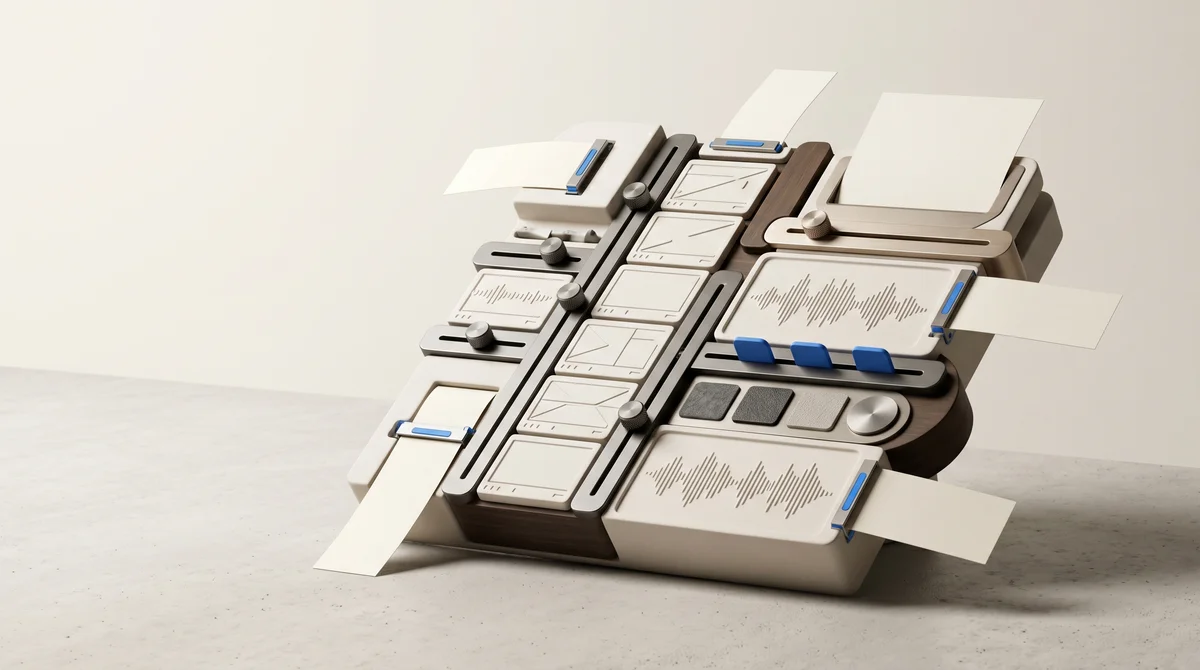
The biggest workflow change is Omni-Reference. Alibaba describes it as moving beyond text, images, audio, and video references to include documents, spreadsheets, slides, webpages, and other static or text-heavy sources. In practical terms, Wan 3.0 is positioned less like a prompt-only video generator and more like a system that can convert existing business or educational materials into video.
This is a meaningful shift from the Wan 2.x pattern. Earlier versions already supported multiple video generation tasks, including text-to-video, image-to-video, reference-to-video, and video editing through different model endpoints. Wan 3.0's Omni-Reference framing suggests a more unified creation flow where the source material can be richer and more structured before the model generates video.
Reality-Grade Rendering
Alibaba's announcement highlights "reality-grade rendering" as a core quality improvement. The company has not yet published detailed side-by-side benchmarks for Wan 3.0, so this should be read as an official positioning claim rather than a quantified quality score.
The likely user-facing goal is clearer: videos should look more coherent and production-ready when generated from longer prompts and richer reference material. This matters for marketing and training videos because longer clips expose more weaknesses in motion stability, lighting consistency, subject identity, and scene transitions.
Public Beta Release
Wan 3.0 is available as a public beta rather than a fully documented generally available API release. Alibaba announced the beta across its hosted Wan, Qwen Cloud, and Alibaba Cloud surfaces, although availability may vary while access continues rolling out. That matters for production planning because public beta releases can change behavior, quotas, pricing, model names, and access rules while the product team gathers usage feedback.
Teams evaluating Wan 3.0 should treat early outputs as test material until Alibaba publishes stable Model Studio documentation for the exact API names, supported regions, generation limits, result retention, and commercial usage terms. Alibaba Cloud has published public pricing for earlier Wan 2.x video models and continued listing Wan 2.7 entries as the latest documented Wan API generation at the time of this release write-up, so production API users should verify the current console and docs before budgeting Wan 3.0 usage.
Availability & Access
Wan 3.0 was announced through Alibaba Group and the official Wan account on X on August 6, 2026. The announcement describes the model as Public Beta and points users back to the Wan ecosystem rather than a fully detailed API changelog.
The safest access assumptions are:
- Web access: Use the official Wan website for public beta exploration where available.
- API access: Check Alibaba Cloud Model Studio before production integration, because full Wan 3.0 API access and documentation may continue rolling out after the social announcement.
- Status: Treat the release as beta until Alibaba publishes stable API names, limits, pricing, and terms.
- Source validation: Avoid relying on third-party "Wan 3.0" websites for exact limits or licensing unless Alibaba confirms the same details.
Pricing & Plans
Alibaba has not published complete Wan 3.0 public beta pricing details in the Model Studio lifecycle documentation at the time of writing. Earlier Wan cloud models are generally accessed through Alibaba Cloud Model Studio or the Wan web experience, with usage-based billing depending on model type, duration, resolution, and region. Alibaba Cloud's current pricing pages provide a useful baseline for Wan 2.x models, but those prices should not be treated as confirmed Wan 3.0 rates unless the console or official documentation names the exact Wan 3.0 model.
For now, plan around three practical cases:
- Public beta exploration: Use the official Wan web experience for hands-on testing if your account has access.
- Cloud API deployment: Verify Model Studio model names, supported regions, generation limits, and billing units before budgeting production usage, because beta access can change.
- Enterprise use: Confirm commercial terms directly through Alibaba Cloud if generated videos will be used in paid campaigns, customer-facing education, or automated content pipelines.
Do not assume Wan 3.0 has the same pricing, free quota, open-weight availability, or self-hosting terms as earlier Wan releases until Alibaba publishes those details.
Best For
- Marketing teams turning landing pages, product sheets, and campaign briefs into 30-second promotional videos
- Educators and trainers converting slide decks or structured notes into short explainer videos
- Enterprise content teams summarizing documents, reports, or web pages as internal video briefings
- Social media creators who need longer clips than earlier short-form Wan outputs without stitching multiple generations
- Developers and product teams evaluating whether document-to-video generation can fit future automated workflows
FAQ
Is Wan 3.0 officially released?
Yes, Alibaba announced Wan 3.0 on August 6, 2026, and the official Wan account described it as Public Beta. That means the model is real, but some implementation details may still change while Alibaba finalizes documentation and rollout.
What are the main Wan 3.0 features?
The confirmed announcement-level features are native 30-second video generation, reality-grade rendering, and Omni-Reference inputs. Omni-Reference expands source material beyond text, images, audio, and video to documents, spreadsheets, slides, webpages, and other static or text-heavy inputs.
Is Wan 3.0 available through Alibaba Cloud Model Studio?
Alibaba announced Wan 3.0 across its hosted Wan, Qwen Cloud, and Alibaba Cloud surfaces. Alibaba's Model Studio lifecycle documentation had not yet listed a dedicated Wan 3.0 API entry when this page was prepared; the latest documented Wan entries visible there were Wan 2.7 models, so production API users should verify Model Studio before integrating Wan 3.0 into automated systems.
Is Wan 3.0 open source?
Alibaba has not confirmed Wan 3.0 open-weight availability in the official announcement text used for this release page. Earlier Wan releases included open-source components and model weights, but Wan 3.0's exact licensing and self-hosting status should not be assumed until Alibaba publishes a model card, repository, or terms page.
Can I use Wan 3.0 for commercial videos?
Possibly, but confirm the terms first. Public beta access does not automatically mean unrestricted commercial usage. If you plan to use Wan 3.0 outputs in ads, paid courses, client campaigns, or customer-facing product content, check Alibaba Cloud and Wan terms before production use.