

Overview
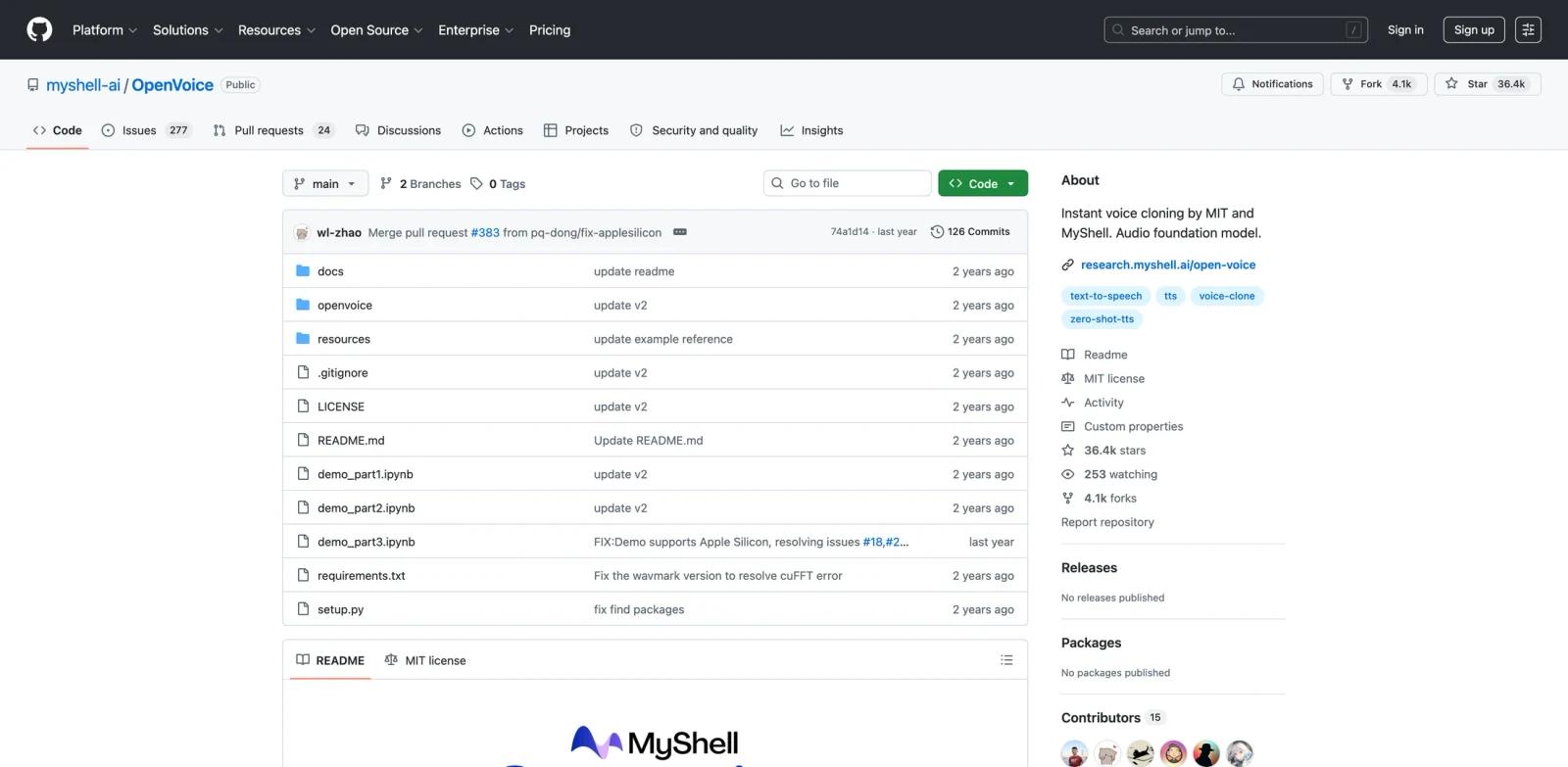
OpenVoice is an AI voice changer option for teams that need to create, transform, clone, or manage voices for narration, character work, accessibility, and media production. Instant voice cloning by MIT and MyShell. Audio foundation model. - myshell-ai/OpenVoice. In practical terms, it gives creators, educators, game teams, podcasters, marketers, and developers building voice experiences a more structured way to handle recording or selecting a voice, generating speech, transforming input, editing delivery, and exporting production-ready audio without relying entirely on spreadsheets, blank documents, or disconnected manual steps.
The product is especially relevant when the decision is not simply "does AI generate something?" but whether the workflow is repeatable, editable, and reliable enough for real work. OpenVoice should be evaluated on voice quality, consent controls, language support, latency, commercial rights, and whether local processing is required.
For buyers comparing AI voice cloning, OpenVoice sits in the practical middle ground between a general-purpose assistant and a heavier production system. It is useful when you want a dedicated product surface, clearer exports, and a workflow that non-technical teammates can understand.
Key Features
- Voice generation or conversion - Creates or transforms speech so users can produce narration, characters, demos, or accessibility audio.
- Voice style controls - Adjusts tone, pace, emotion, pitch, or speaker identity where the platform exposes creative controls.
- Multilingual and accent support - Expands content reach by supporting multiple languages, accents, or localized voice options.
- Audio export workflow - Produces downloadable files or API outputs that can be used in videos, games, podcasts, or apps.
- Consent and safety options - Provides account, policy, or verification controls that matter when working with cloned or synthetic voices.
- Developer or creator integrations - Fits into editing suites, game engines, APIs, or desktop tools depending on the product model.
These features matter most when OpenVoice is used repeatedly. A single demo can show whether the interface feels polished, but a real evaluation should include messy inputs, edge cases, team review, and final export so you can see how much manual cleanup remains.
How to Get Started
- Open the official product site - Start from https://github.com/myshell-ai/OpenVoice so you are using the current product flow rather than an outdated marketplace or review link.
- Create a small test project - Use a real example from your own workflow, such as an existing brief, recording, image, task list, or content asset.
- Check the default output - Review whether OpenVoice produces something useful before heavy editing; this is the fastest way to judge baseline quality.
- Adjust settings and constraints - Test templates, model options, export formats, permissions, brand controls, or integrations that matter to your team.
- Compare against your current process - Measure cleanup time, approval time, and handoff quality against your existing tools, including AI text to speech.
- Confirm pricing and rights - Before rollout, verify plan limits, commercial-use terms, privacy commitments, and whether AI audio editor or API access requires a higher tier.
Pricing & Plans
| Plan | Public pricing signal | What to expect |
|---|---|---|
| Free access | Free | Core OpenVoice workflows are presented as free or open-source access. Review the official site for license, hosting, or usage details before production use. |
OpenVoice should be treated as a free-access option rather than a commercial SaaS subscription. Teams should still check whether paid hosting, compute, support, marketplace assets, or commercial licenses apply to their exact use case.
Best For
- Video creators generating narration, character lines, or localized voice tracks.
- Game and animation teams prototyping character voices before final recording.
- Podcasters and educators who need faster voice production for recurring content.
- Developers adding voice features to apps, agents, or accessibility workflows.
- Teams that need clear controls around rights, consent, and commercial usage.
FAQ
What is OpenVoice used for?
OpenVoice is used to create, transform, clone, or manage voices for narration, character work, accessibility, and media production. It is most relevant for creators, educators, game teams, podcasters, marketers, and developers building voice experiences who need a more repeatable workflow than manual production.
Who should choose OpenVoice?
Choose OpenVoice if your daily workflow involves recording or selecting a voice, generating speech, transforming input, editing delivery, and exporting production-ready audio. It is less suitable if you only need a one-off task and do not want to learn a specialized product.
Does OpenVoice have a free plan?
OpenVoice appears to offer free access for its core workflow. Check the official site for license terms, hosted services, support options, or commercial-use restrictions.
What should I test first in OpenVoice?
Start with a realistic sample project, not a toy example. Check output quality, editing control, export options, collaboration, and whether the result fits your existing tools.
How does OpenVoice compare with generic AI tools?
Generic AI tools can help with drafts and ideas, but OpenVoice is built around a more specific voice AI tool workflow with purpose-built controls, templates, integrations, or exports.
Is OpenVoice good for teams?
OpenVoice can work for teams when its collaboration, permissions, sharing, and admin controls match your process. Smaller teams should verify whether those controls are included in entry-level plans.
What are the main limitations of OpenVoice?
The main risks are plan limits, output quality variance, learning curve, and dependency on the product's supported formats or integrations. Always test with your own materials.
Can OpenVoice replace a specialist?
OpenVoice can reduce routine production work, but specialist review still matters for strategy, quality control, compliance, brand voice, and final approval.
What alternatives should I compare with OpenVoice?
Compare it with tools in the broader AI voice changer category, plus any workflow tools your team already uses. The best choice depends on output quality, cost, and adoption friction.