Overview
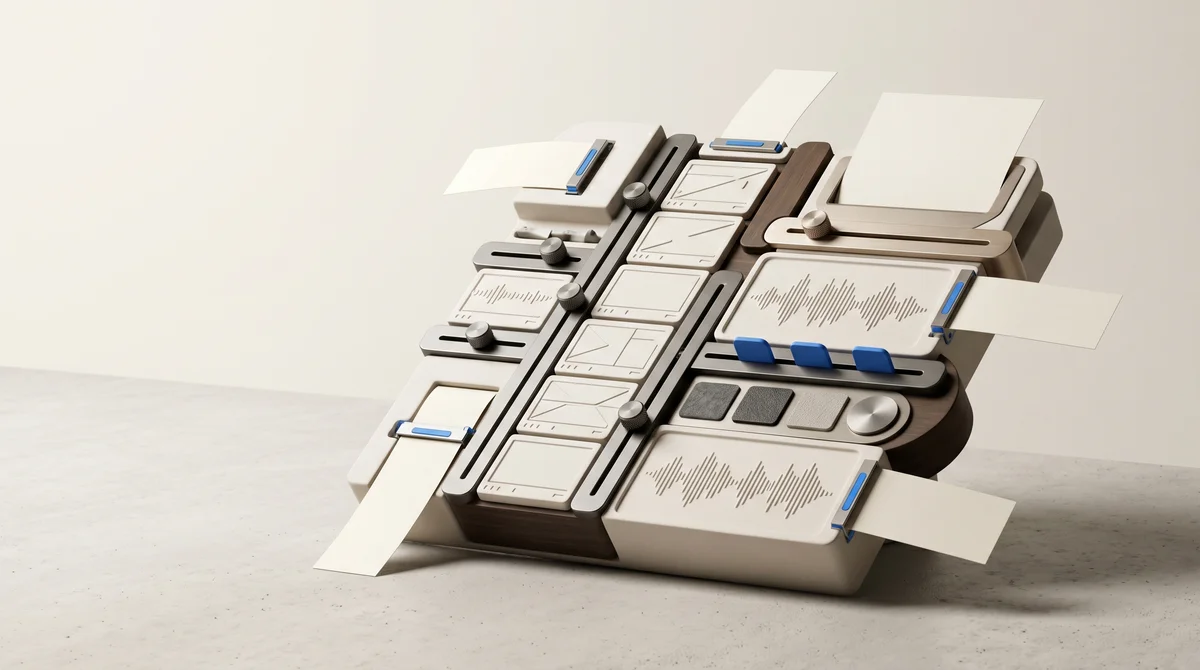
Seedance 2.0 is ByteDance's next-generation AI video generator officially released in February 2026, transforming how creators combine visual and audio elements into cinematic narratives. Available on ByteDance's Jimeng AI and Doubao platforms, this version introduces true multimodal input—allowing users to upload up to 9 images, 3 videos, and 3 audio files alongside text prompts. The model intelligently interprets these references to replicate motion, camera work, character consistency, and visual styles without requiring detailed technical descriptions. Seedance 2.0 targets content creators, marketers, and filmmakers who need professional-quality short-form video (up to 15 seconds) with precise control over aesthetics and pacing.
The core advancement lies in its ability to understand relationships between visual and audio elements. Users can reference a choreography clip to replicate movement patterns, upload a brand color palette to maintain visual identity, or provide a voiceover to drive lip-synced character animation with multilingual support. This contextual understanding generates up to 15-second multi-shot videos with dual-channel audio while maintaining temporal coherence across sequences—ideal for social media, advertising, and previz workflows.
What's New
Multimodal Reference Input System
Seedance 2.0 replaces text-only prompts with a flexible reference library. Users can combine up to 9 images (style frames, character designs, product shots), 3 videos (motion references, camera angles, effects), and 3 audio files (voiceovers, music, ambient sound) alongside natural language instructions. The model analyzes each input type to extract actionable parameters: images guide composition and color grading, videos teach motion dynamics and camera behavior, audio drives rhythm and lip-sync timing with multilingual support. Natural language descriptions tag which references apply to which shots, eliminating the need for parameter tuning or technical vocabulary.
This system enables one-click style transfer—upload a manga panel to convert footage into that art style, or reference a viral video to replicate its editing rhythm across new content. The model preserves fine details like font styles, clothing textures, and environmental lighting across the entire generation, solving the consistency problems that plagued earlier multi-shot AI video tools.
Up to 15-Second Multi-Shot Generation
Seedance 2.0 generates up to 15-second multi-shot videos optimized for short-form content across social media, advertising, and rapid previz workflows. The model's improved capabilities maintain physical realism and subject consistency throughout the clip, automatically segmenting prompts into logical shots—wide establishing frames, medium dialogue angles, tight close-ups—with smooth transitions between camera movements. Character faces, clothing details, and background elements show improved visual consistency even when viewpoint or lighting changes.
The model reduces common AI video artifacts like morphing limbs, floating objects, or inconsistent gravity. A character performing an action maintains more natural motion patterns, realistic physical contact, and proper depth perspective throughout the sequence. This improved consistency benefits branded content and product demos that require stable subject representation across the full clip.
Native Audio-to-Video Generation with Dual-Channel Audio
Unlike previous versions requiring post-production audio dubbing, Seedance 2.0 generates dialogue, sound effects, and ambient audio simultaneously with video frames—similar to recent advancements in AI voice generation. Users upload a voiceover or music track, and the model analyzes acoustic properties—speech cadence, musical beats, tonal shifts—to synchronize visual elements. The system produces dual-channel audio output, improving immersive audio-visual experiences for narrated content, music visualizations, and dialogue-driven ads.
The model supports multilingual and dialect-specific content with improved lip-sync alignment, adjusting patterns for different languages while maintaining character facial structure. This joint audio-visual generation reduces production time by eliminating separate dubbing workflows, particularly valuable for localized video campaigns and multi-language content creation.
Performance and Controllability Improvements
Seedance 2.0 demonstrates improved performance across ByteDance's proprietary SeedVideoBench-2.0 benchmark in text-to-video, image-to-video, and multimodal generation tasks. The model shows enhanced motion consistency during complex actions and dynamic scenes, with better subject preservation across multi-shot sequences compared to previous versions.
The model's optimized architecture handles complex scenes—multiple characters, intricate backgrounds, rapid cutting—with improved usability. Director-level control over lighting, shadows, and camera movement enables more precise creative expression for ad, film, and game previz workflows. Processing efficiency improvements support faster iteration cycles, with generation times remaining practical for high-volume content workflows (exact timing varies by complexity and platform queue).
Availability & Access
Seedance 2.0 officially launched on February 12, 2026, through ByteDance's AI creation platforms. Users can access the model through confirmed channels with regional availability varying by platform.
Confirmed Access Platforms:
- Jimeng AI (即梦): ByteDance's creative AI tools platform
- Doubao (豆包): ByteDance's conversational AI platform with video generation capabilities
- Volcano Engine (火山方舟): Enterprise access for developers and teams
Access Methods:
- Web Application: Browser-based interface (primary method, no local installation required)
- Mobile Apps: Platform-specific iOS and Android applications where available
Account Requirements:
- Standard account registration through platform-specific sign-up
- Credit-based generation system (quotas and pricing vary by platform)
- No specialized hardware requirements (server-side processing)
Regional Availability:
Platform access, feature rollout, and pricing structures vary by geographic region. Users should verify Seedance 2.0 availability and specific capabilities through their local platform interface. Additional integrations with ByteDance's broader ecosystem may become available over time.
Pricing & Plans
Seedance 2.0 operates on a credit-based pricing model where generation costs scale based on video complexity and feature usage. Pricing structures vary significantly across platforms (Jimeng AI, Doubao, Volcano Engine) and geographic regions.
Credit-Based Model:
- Users purchase credits through their platform account
- Each video generation consumes credits based on multiple factors
- Credit-to-currency conversion rates vary by platform and region
Cost Drivers (Variable Pricing):
Video Duration:
- Longer videos (approaching 15-second maximum) consume more credits
- Shorter clips require fewer credits
Reference Input Complexity:
- Text-only prompts: Baseline cost
- Adding image references: Incremental credit cost
- Video and audio references: Additional processing fees
- More complex multimodal combinations increase credit consumption
Generation Settings:
- Quality and resolution preferences affect credit usage
- Multiple generation attempts or variants consume additional credits
- Platform-specific features may carry different costs
Retry and Refinement:
- Each regeneration or variation consumes new credits
- Failed generations may qualify for partial credit refunds (check platform policy)
Purchase Options:
- Pay-as-you-go: Purchase credit packs as needed
- Subscription Bundles: Monthly allocations with potential discounts (availability varies by platform)
- Enterprise Agreements: Custom volume pricing through Volcano Engine
Free Tier and Trials:
- New user credit bonuses vary by platform
- Free tier limitations may include watermarks, queue priority, or usage caps
- Commercial use policies differ across platforms
Important Note: Specific pricing, credit costs, and promotional offers vary significantly by platform and region. Always check your account's official pricing page within Jimeng AI, Doubao, or Volcano Engine for current rates and terms. International users should verify regional availability and pricing structures before committing to credit purchases.
Best For
- Social media content creators producing up to 15-second viral clips for TikTok, Instagram Reels, or YouTube Shorts who need consistent character designs and brand aesthetics across multi-shot sequences without manual editing
- Marketing teams creating product teasers, feature highlights, and ad bumpers with synchronized voiceovers in multiple languages, requiring brand color consistency and professional lip-sync without post-production dubbing
- Filmmakers and animators using AI for rapid previz and shot testing, needing to visualize camera angles, scene composition, and visual effects in short proof-of-concept clips before committing to full production—complementing tools like Veo 3.1 for scene-consistent video creation
- Independent musicians and artists generating music video hooks, lyric snippets, or visual teasers that synchronize character movement and environmental effects to audio beats for promotional campaigns
- E-commerce sellers creating product demos and feature showcases with voiceover narration and brand-consistent styling for marketplace listings, ads, and social commerce platforms
- Advertising agencies producing localized video ad variants in multiple languages and dialects for cross-regional campaigns, leveraging multilingual lip-sync capabilities within the short-form video format
FAQ
What makes Seedance 2.0 different from other AI video generators like Runway or Pika?
Seedance 2.0's core distinction is its comprehensive multimodal reference system—you can upload up to 9 images, 3 videos, and 3 audio files to teach the model your desired style, motion, and sound without writing complex prompts. While tools like Runway Gen-4.5 and Pika 1.5 primarily rely on text descriptions with optional single image inputs, Seedance 2.0 learns from multiple reference types simultaneously. The native audio-to-video capability with dual-channel audio and multilingual lip-sync is also distinctive; most competitors generate silent video requiring separate dubbing. The up to 15-second format with multi-shot capabilities positions it specifically for high-quality short-form content—social media clips, ads, product demos—where reference consistency and audio synchronization are critical.
Can I use Seedance 2.0 for commercial projects?
Seedance 2.0's commercial licensing terms vary by platform (Jimeng AI, Doubao, Volcano Engine). Free tier content may include watermarks or usage restrictions, while paid tiers typically grant broader commercial licenses. Always review your specific platform's Terms of Service and verify your tier's commercial rights before using generated content in client work, advertisements, or products for sale. Enterprise agreements through Volcano Engine typically include explicit commercial guarantees and indemnification clauses. Check your account's licensing documentation for current terms.
Does Seedance 2.0 require local GPU hardware or technical setup?
No. Seedance 2.0 operates through web-based platforms (Jimeng AI, Doubao, Volcano Engine) with server-side processing—you access it via browser without installing software or owning specialized hardware. All computation happens on ByteDance's infrastructure, so a standard laptop or desktop with internet connection suffices. This cloud-based approach eliminates GPU costs and maintenance but requires stable internet for upload/generation/download workflows. Platform-specific mobile apps may also be available depending on your region.
How does the up to 15-second generation handle scene changes and camera cuts?
Seedance 2.0 uses enhanced multi-shot narrative capabilities to automatically segment your prompt or reference materials into logical camera angles—establishing shots, medium frames, close-ups—and orchestrates transitions between them. The model's improved capabilities help maintain character faces, clothing details, and environmental elements more consistently across cuts, even when lighting or viewpoint changes. You can guide scene structure through uploaded video references (showing desired cutting rhythm) or text descriptions specifying shot types. The model reduces common artifacts and maintains more realistic motion dynamics and spatial relationships throughout the clip—valuable for maintaining believability in short-form content where consistency is critical.
What happens if I don't upload audio—can Seedance 2.0 still generate video?
Yes. Audio references are optional inputs. If you upload images and/or videos without audio, Seedance 2.0 generates silent video (or video with system-generated ambient sound, depending on final implementation). The native audio-to-video feature activates only when you provide audio files or request voiceover generation. This flexibility allows pure visual workflows for users who plan to add custom soundtracks in post-production while giving others the option to leverage synchronized audio capabilities for dialogue-driven or narrated content.